Discover the Biodistricts of Tuscany: A Leader in Organic Food
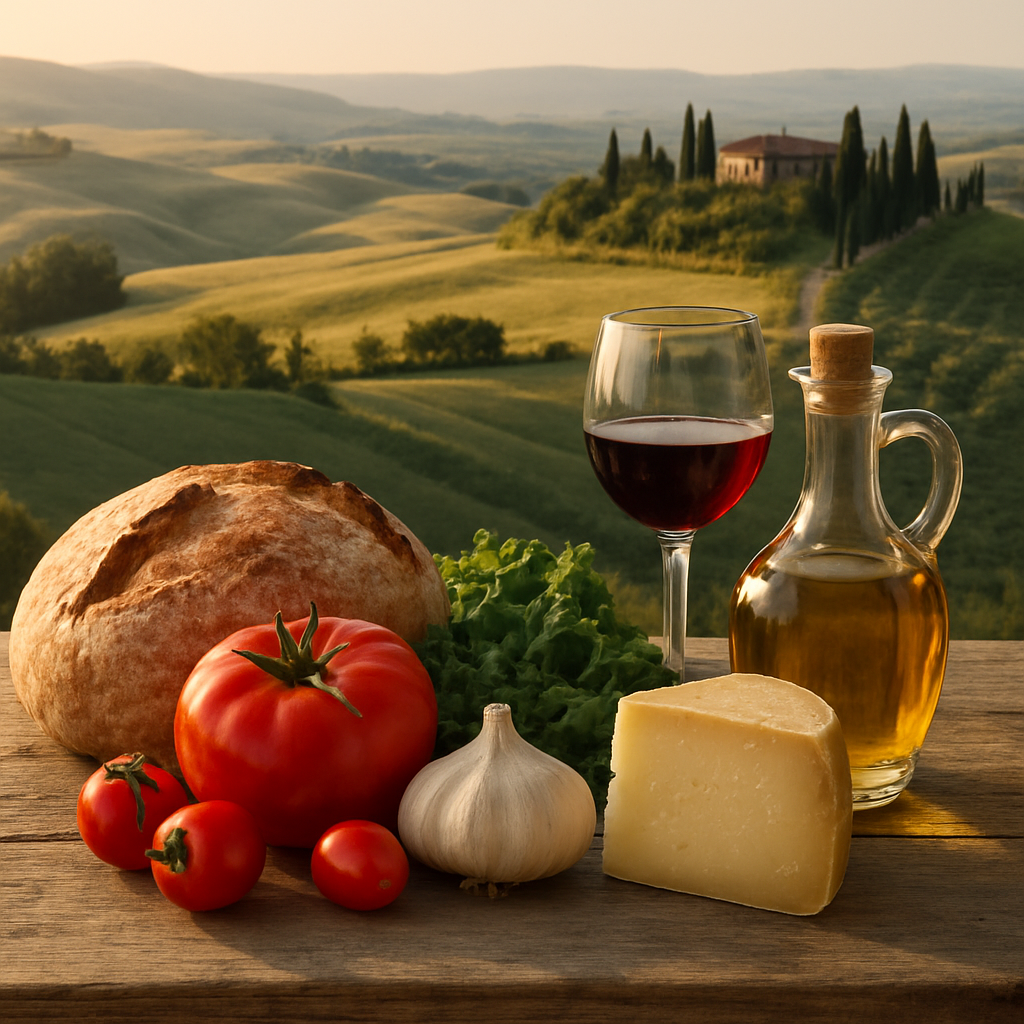
Italy’s rich agricultural heritage continues to thrive in modern times, embracing sustainability and innovation at every turn. At the heart of this movement are the biodistricts of Tuscany, where tradition meets eco-friendly practices to create exceptional organic food experiences that captivate both locals and visitors.
The Growth of Biodistricts in Tuscany
Tuscany stands proudly at the forefront of Italy’s organic food revolution, thanks in large part to its pioneering biodistricts. These zones are dedicated to sustainable agricultural methods, focusing on organic farming practices that both protect the environment and enhance the quality of life for those who live and work there. In recent years, these biodistricts have experienced remarkable growth, becoming a beacon of innovation and quality within the region. As more consumers become environmentally conscious, the demand for organic produce continues to rise, making these areas crucial to the future of agriculture in Italy.
The Impact on Organic Food Production
Organic food production in Tuscany’s biodistricts is an inspiring model of sustainable agriculture. The symbiotic relationship between farmers, local communities, and the environment creates a unique ecosystem where high-quality organic produce thrives. With Tuscany’s fertile lands and favorable climate, a diverse array of products—from golden olive oils to world-renowned wines—are cultivated using traditional methods combined with innovative approaches. This focus on organic farming not only produces superior flavors but also supports biodiversity and reduces environmental harm.
Collaborative Efforts for a Greener Future
The success of these biodistricts would not be possible without the collaborative efforts of local governments, farmers, and eco-conscious consumers eager for change. Programs and initiatives are continuously developed to ensure the preservation of these biodistricts. These efforts include educational outreach and financial incentives to encourage farmers to adopt more sustainable practices. Tuscany’s model has garnered international attention, highlighting the effective synergy possible between communities and the land.
Influence on the Local Economy and Tourism
Beyond the significant environmental benefits, the biodistricts have also sparked economic prosperity within Tuscany. The rise of organic farms has attracted agro-tourism, where visitors eager to learn more about sustainable agriculture and traditional culinary practices flock to the region. As a result, more businesses tailored to eco-tourists have emerged, offering everything from farm-to-table dining experiences to immersive cooking classes. The biodistricts’ influence reaches far beyond the fields, weaving into the cultural and economic fabric of Tuscany.
If you’re inspired by Tuscany’s commitment to sustainability and organic food, explore more of Italy’s culinary gems on our website ItalianFood.Guide.
In conclusion, Tuscany’s flourishing biodistricts represent a harmonious blend of tradition and innovation, setting a benchmark in organic food production not just for Italy, but worldwide. As these districts continue to evolve, they serve as a powerful reminder of what is possible through community and environmental stewardship.
Italian Food Culture
Follow us on your favorite social network and keep exploring stories, history and traditions of Italian cuisine.