Discover the Unsung Hero of Italian Cuisine: Olive Oil
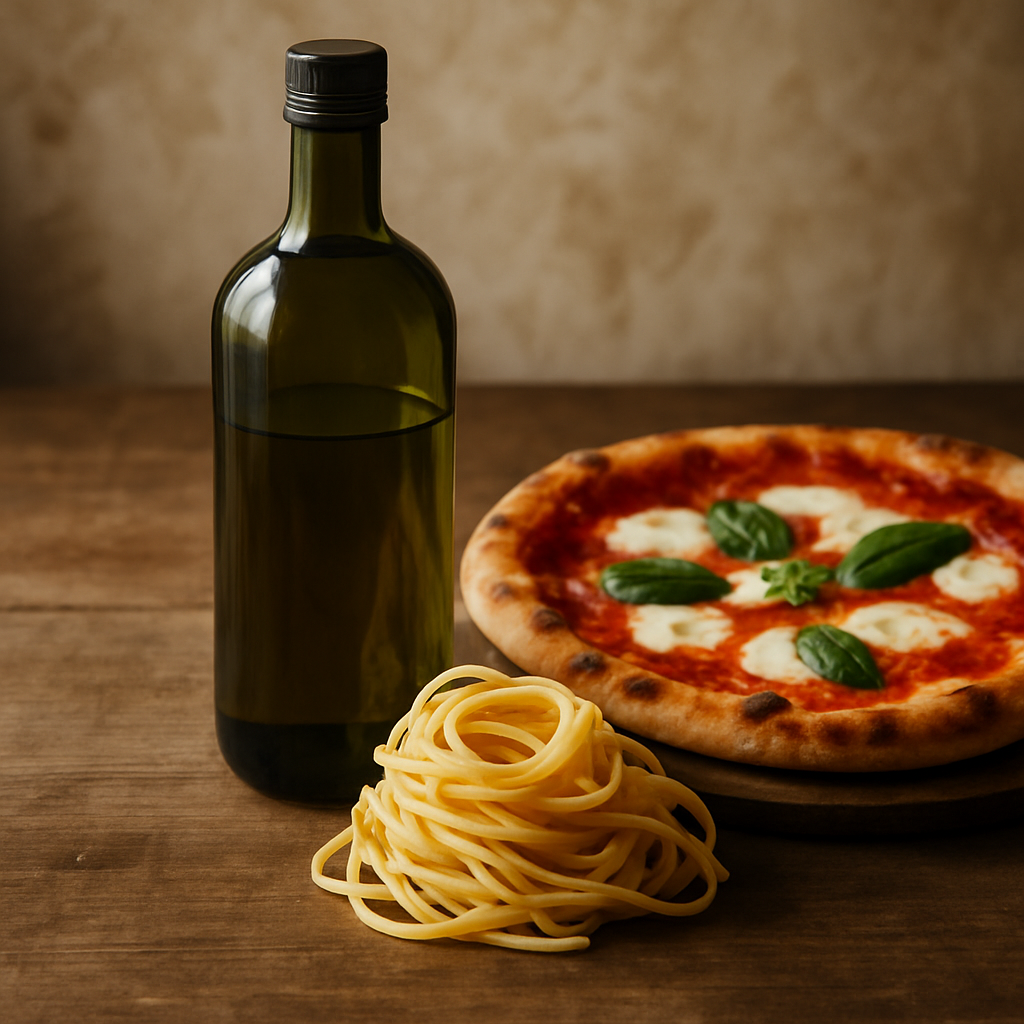
When you think of iconic symbols of Italian cuisine, pasta and pizza likely steal the spotlight. However, a lesser-sung hero deserves equal attention: olive oil. We delve into the significance of olive oil in cucina italiana, exploring how it has shaped both tradition and taste.
The Historical Roots
Olive oil has been a staple in Mediterranean diets for millennia. Its roots are deeply interwoven with the development of cucina italiana. Known as the ‘liquid gold’ of the Mediterranean, olive oil is more than just a cooking ingredient—it tells the story of the land and its people.
Culinary Versatility
What makes olive oil so integral to cucina italiana is its exceptional versatility. From dressing salads to enhancing the flavors of pasta dishes, olive oil is a fundamental component that elevates simple ingredients into extraordinary meals.
Health Benefits
Besides flavor, health-conscious chefs and food lovers worldwide praise olive oil for its myriad health benefits. Rich in antioxidants and healthy fats, it’s a key component of the Mediterranean diet, contributing to heart health and overall well-being.
Learn More About Italian Cuisine
Understanding the pivotal role of olive oil is essential to appreciating the complete experience of Italian cuisine symbols. To delve deeper into the world of Italian culinary culture, explore our other articles on Italian food and lifestyle.
In conclusion, while pasta and pizza may be the faces of Italian food, olive oil holds a special place as its heart. A reflection of Italy’s rich history and commitment to quality, olive oil is a timeless emblem of authenticity.
Italian Food Culture
Follow us on your favorite social network and keep exploring stories, history and traditions of Italian cuisine.