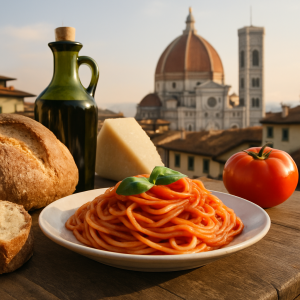
Exploring the Cultural Significance of Italian Cuisine: A UNESCO Heritage

The Cultural Impact of Italian Cuisine
Italian cuisine is more than just a collection of traditional recipes; it represents a tapestry of history, culture, and regional diversity that has earned it recognition as a UNESCO heritage. Its profound impact on the culinary world goes beyond taste and aesthetics, showcasing its enduring cultural significance.
Historical Roots: A Culinary Journey
Italian cuisine dates back centuries, weaving influences from ancient Greek and Roman traditions, Mediterranean exchanges, and regional innovations. These elements combined have created a gastronomic blueprint that transcends national boundaries, embodying a legacy that speaks to the heart of Italy’s cultural identity. Through time, it has maintained its authenticity while embracing new techniques, making it a dynamic representation of Italy’s adaptation and resilience.
UNESCO Recognition: Celebrating Heritage
The landmark designation by UNESCO highlights the cultural value and global influence of Italian culinary practices. This recognition emphasizes the dedication to preserving traditional cooking methods, regional ingredients, and communal dining experiences that reinforce familial bonds and cultural traditions. Italian cuisine’s listing as intangible heritage underscores its role not just as a dietary staple but as a living tradition that thrives on sharing and innovation.
Regional Diversity: A Kaleidoscope of Flavors
Each region of Italy contributes its unique flavors and dishes to the overall culinary landscape. From the rich, creamy risottos of the North to the spicy, vibrant sauces of the South, Italian cuisine is a testament to regional pride and agricultural abundance. This diversity champions the use of local produce and time-honored techniques, ensuring that each dish tells a story of its origin with every bite.
Preserving Tradition: A Global Influence
While deeply rooted in tradition, Italian cuisine has managed to extend its influence worldwide, adapting and integrating into various cultures. This global embrace highlights its universal appeal and flexibility, reinforcing its status as a culinary art form with immense cultural significance. Its presence on the international stage encourages conservation efforts and educational endeavors to foster appreciation and understanding of its storied heritage.
For more on Italian cuisine and its cultural heritage, visit our dedicated section here.
In conclusion, the recognition of Italian cuisine by UNESCO as a heritage points to its invaluable contribution to global culinary traditions, highlighting its capacity to unite and inspire. As we continue to savor the rich flavors and embrace the distinct customs of Italy, we participate in a cultural exchange that honors the past and looks to an innovative future.
Italian Food Culture
Follow us on your favorite social network and keep exploring stories, history and traditions of Italian cuisine.