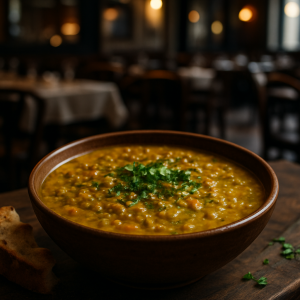
Exploring the Diverse Tapestry of Cucina Italiana

Italian cuisine, or cucina italiana as it is fondly known, offers more than just delectable flavors; it is a rich tapestry woven with history, culture, and regional diversity. This culinary heritage illustrates the stories of regions, communities, and families, making Italy a gastronomic paradise.
The Rich History of Italian Culinary Traditions
Italy’s culinary traditions are a reflection of its colorful past. The Roman Empire’s expansion introduced spices and produce from afar, and later, the influence of neighboring Mediterranean cultures further enriched Italian culinary practices. From the robust flavors of Sicilian dishes influenced by Arab spices to the northern regions’ Alpine-inspired wallet warmers, Italy’s varied landscapes have cultivated distinct flavors that celebrate local ingredients and methods.
Regional Diversity that Defines Cucina Italiana
Italian food is deeply regional, with each area offering its unique contributions. In Tuscany, simplicity meets elegance with dishes like ribollita and bistecca alla fiorentina, while Naples is synonymous with its iconic Margherita pizza. In the northern regions, creamy risottos and polenta highlight a cooler climate’s produce and preferences. Such variety showcases Italy’s pride in its cultural heritage, ensuring that traditional recipes are passed down through generations.
For more insights into the diversity of Italian regional dishes, visit our dedicated [section on Italian regions](https://www.italianfood.guide).
The Modern Impact of Italian Culinary Heritage
The global love affair with Italian food continues unabated, with pasta, pizza, and espresso becoming everyday staples worldwide. This international appreciation amplifies the culinary traditions of Italy, inspiring chefs globally to infuse Italian techniques and flavors into their creations. As a result, Italian cuisine not only preserves its legacy but also continuously evolves, staying relevant in a modern culinary context.
Preserving the Culinary Heritage for Future Generations
In an ever-globalizing world, maintaining authenticity in traditional Italian recipes is crucial. Initiatives such as ‘Slow Food’ and culinary festivals promote native ingredients and methods, ensuring that the heart of cucina italiana remains intact. Whether it’s through a family gathering around a classic dish or a regional celebration of local produce, the ties to Italy’s vibrant culinary past continue to strengthen.
In the end, celebrating Italian culinary traditions is not just about indulging in delicious food; it’s about appreciating the profound cultural heritage that each meal represents. So, the next time you savor a slice of Tuscan bread or a spoonful of rich, velvety risotto, remember that you are partaking in a delicious narrative that spans centuries.
Italian Food Culture
Follow us on your favorite social network and keep exploring stories, history and traditions of Italian cuisine.