Discover the Magic of Italian Pasta: A Culinary Journey Through Tradition and Taste
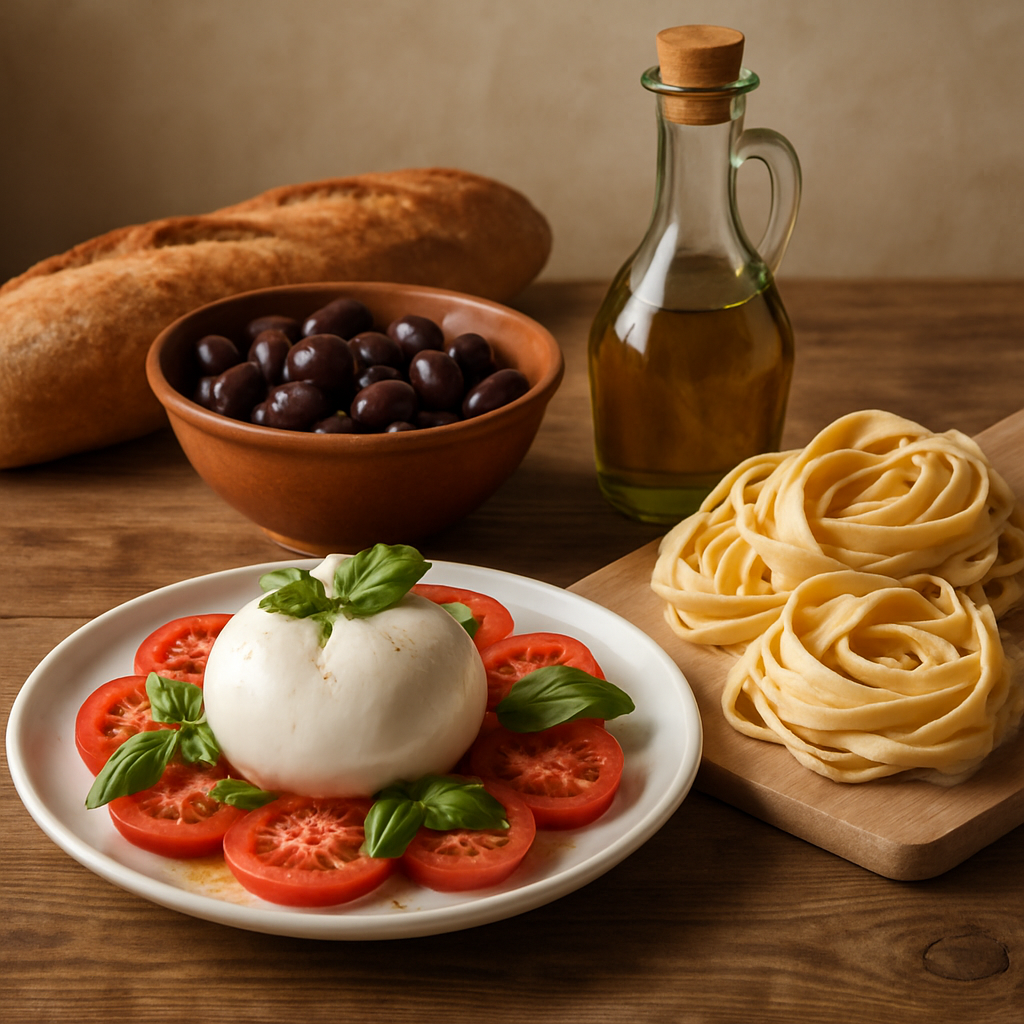
Few dishes capture the essence of a nation’s culinary heritage as eloquently as Italian pasta. Its global popularity and boundless versatility make it the heart of countless meals and family gatherings.
The History of Italian Pasta: A Timeless Tradition
The origins of pasta are shrouded in mystery, though it has been a staple of the Italian diet for centuries. From the bustling streets of Rome to the serene landscapes of Sicily, pasta has become a beloved part of Italian culture. Legend has it that Marco Polo brought pasta to Italy from China in the 13th century, but historical evidence suggests that pasta was already a key element of Italian cuisine long before that time. Pasta shapes and types are said to be as diverse as the regions of Italy themselves, each offering a unique taste of their local traditions.
Pasta Varieties: A Symphony of Shapes and Flavors
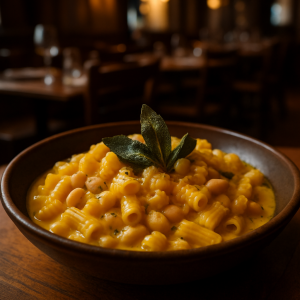
Italian pasta is an art form, with over 600 different shapes to explore. From the delicate strands of spaghetti to the comforting curls of fusilli, each variety serves as the perfect vehicle for a range of sauces and ingredients. Pasta from the northern regions of Italy tends to be richer and egg-based, while southern varieties often incorporate semolina flour, lending them a delightful chewiness. For those keen to explore every variety, check out our Pasta Shapes Guide available on the Italian Food Guide.
The Perfect Pasta Pairing: Sauce and Ingredient Harmony
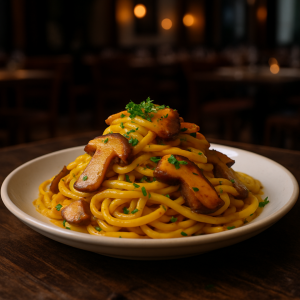
Choosing the right sauce for your pasta can be the ultimate game-changer. Classic pairings like carbonara with spaghetti or pesto with trofie each tell a story of regional harmony that satisfies the senses. Lighter sauces such as aglio e olio are perfect for linguine, whereas robust ragù complements the hearty shape of pappardelle. Understanding these pairings is key to mastering the art of Italian cuisine, allowing for an authentic experience every time.
Cooking Pasta to Perfection: Tips from Italian Chefs
The secret to perfect pasta is in the technique. Italian chefs insist on using ample water, generously salted, to bring out the pasta’s natural flavors. Cooking pasta ‘al dente’, which means ‘to the tooth’ in Italian, ensures it retains an ideal texture. This, paired with fresh ingredients, allows the pasta to absorb flavors while maintaining its integrity. Always reserve a cup of pasta cooking water—it helps thicken and cling to the body of the pasta, enhancing the sauce’s flavor.
In conclusion, the world of Italian pasta is a rich tapestry woven with history, tradition, and culinary expertise. Its global reach only enhances the profound connection people feel with this classic dish. Exploring different shapes, sauces, and cooking methods offers endless opportunities for culinary excellence. By embracing the traditional art of pasta making and indulging in its delightful pairings, one can experience the depth of Italian culture in every bite.
Italian Food Culture
Follow us on your favorite social network and keep exploring stories, history and traditions of Italian cuisine.