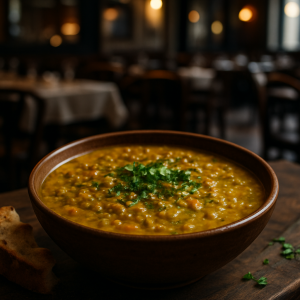
Italian Cuisine Becomes a UNESCO Heritage: A New Chapter in Culinary Excellence

The world has long celebrated Italy for its contributions to art, fashion, and architecture. Now, an equally important cultural pillar has been officially acknowledged: cucina italiana has been added to the UNESCO heritage list, marking a pivotal recognition of Italy’s rich culinary tradition.
The Recognition of ‘Cucina Italiana’
Italian cuisine has always been more than just food—it’s an expression of the Italian culinary culture that is deeply intertwined with the country’s history and lifestyle. The recent designation by UNESCO highlights how Italian food is a cultural entity that belongs to all of humanity. This acknowledgment underlines the importance of preserving these age-old recipes and cooking techniques that have been passed down through generations.
The Rich Tapestry of Italian Culinary Heritage
The diversity of Italian cuisine is extraordinary. From the fresh, vibrant flavors of Mediterranean staples like olive oil, tomatoes, and basil to the hearty, comforting dishes from the northern regions that celebrate meats and cheeses, each Italian dish tells a story of the land and its people. Regions such as Tuscany, Sicily, and Emilia-Romagna offer unique culinary landscapes, contributing to the UNESCO heritage status.
What This Means for Italian Food Enthusiasts
For enthusiasts and food lovers worldwide, this recognition is a call to experience Italian cooking in its most authentic form. Whether indulging in a handmade pasta dish in a rustic trattoria or exploring recipes at home, there’s a renewed spotlight on the importance of authenticity and tradition. This moment is also an excellent time to explore more about Italy’s invaluable contributions to global cuisine on platforms like ItalianFood.guide.
Looking Forward: The Future of Italian Cuisine
As cucina italiana enjoys this global recognition, it also faces new challenges and opportunities. The evolving landscape of food sustainability and health consciousness continues to reshape traditional food practices. Balancing authenticity with innovation will be crucial for Italian chefs and home cooks alike to continue cherishing and evolving this rich culinary heritage.
As we raise a glass of Chianti in celebration, it’s a reminder that every Italian meal shared with family and friends keeps this culinary treasure alive and vibrant. The UNESCO heritage title is not just an honor—it’s a promise to nurture and perpetuate Italian culinary culture for generations to come.
Italian Food Culture
Follow us on your favorite social network and keep exploring stories, history and traditions of Italian cuisine.