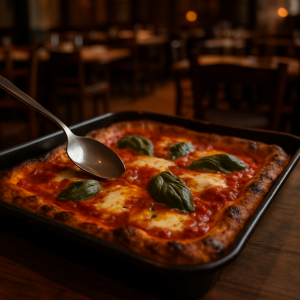
Italian Cuisine Recognized as UNESCO Heritage: A Culinary Celebration
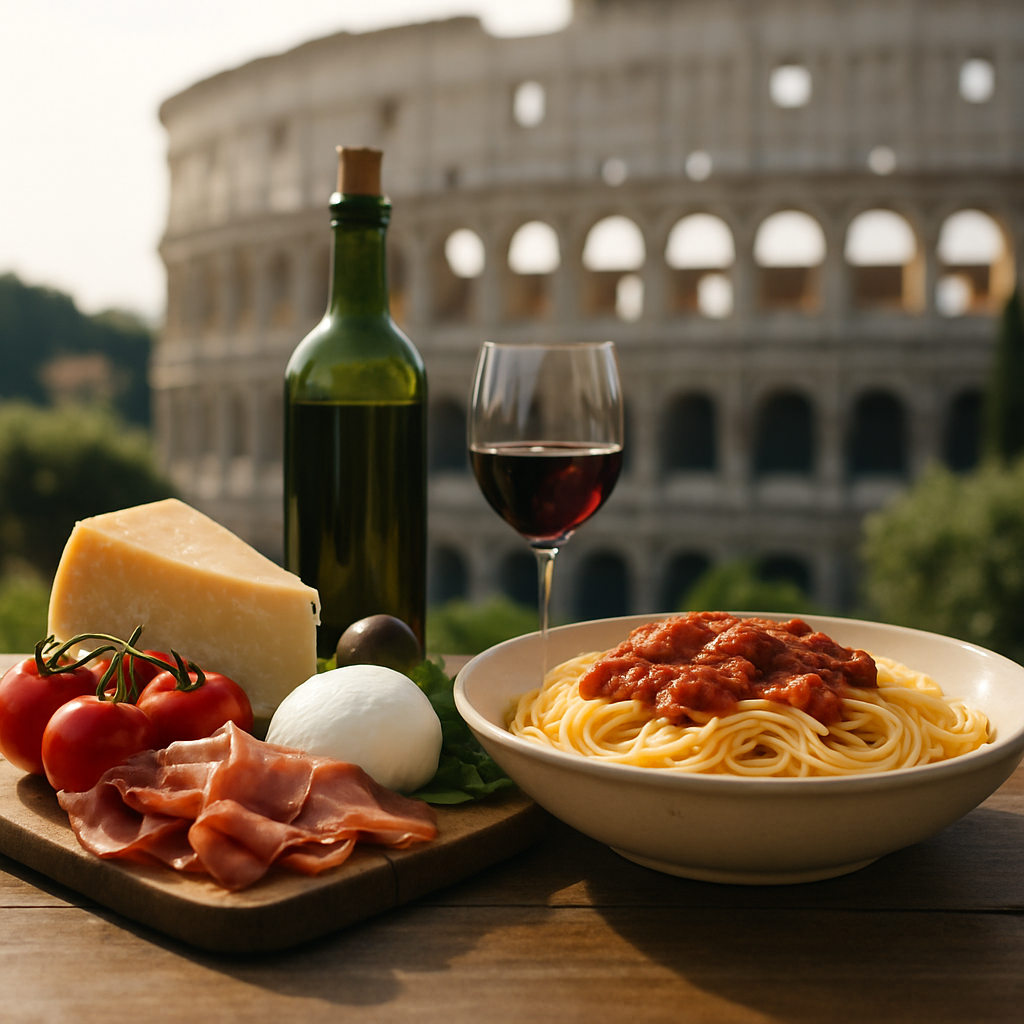
Italian cuisine is not just about the taste; it’s an embodiment of culture, heritage, and a unique way of life. Recently, this exceptional cuisine received global acknowledgment as a UNESCO Heritage, a testament to its lasting impact on world gastronomy.
The Journey to UNESCO Recognition
The journey towards this prestigious recognition was fueled by Italy’s dedication to preserving its rich culinary culture. Factors such as traditional cooking methods, local ingredients, and the role of food in social gatherings have all been integral in achieving this status.
The Essence of Italian Cuisine
What makes Italian cuisine so special? It’s the meticulous selection of local ingredients, the simplicity of its recipes, and the profound cultural significance it holds. From north to south, each region of Italy offers distinct flavors and dishes that speak to a long history of gastronomic excellence.
Impact on Italian Culinary Culture
This recognition by UNESCO echoes the importance of preserving culinary traditions. It safeguards the culinary practices that have been passed down through generations and celebrates the convivial role of food in Italian society. Many food enthusiasts are now more curious about the nuances of Italian cooking and its cultural roots.
Exploring Italian Cuisine Further
With its new status as a UNESCO Heritage, there is no better time than now to dive deep into the world of Italian gastronomy. Whether you’re exploring classic recipes, trying contemporary twists, or learning about regional specialties, Italian cuisine offers a rich palette of experiences. Discover more about Italian culinary culture through our various articles and guides at Italian Food Guide.
A Taste of Heritage
This recognition is not merely a label, but a celebration of Italy’s culinary heritage. As we savor Italian dishes, we also partake in a tradition that has shaped and influenced countless cuisines worldwide. Recognizing Italian cuisine as a UNESCO Heritage is a significant step towards appreciating the flavors and traditions that enrich our global culinary landscape.
Italian Food Culture
Follow us on your favorite social network and keep exploring stories, history and traditions of Italian cuisine.