Exploring the Rich Flavors of Spaghetti di Riso in Italian Cuisine
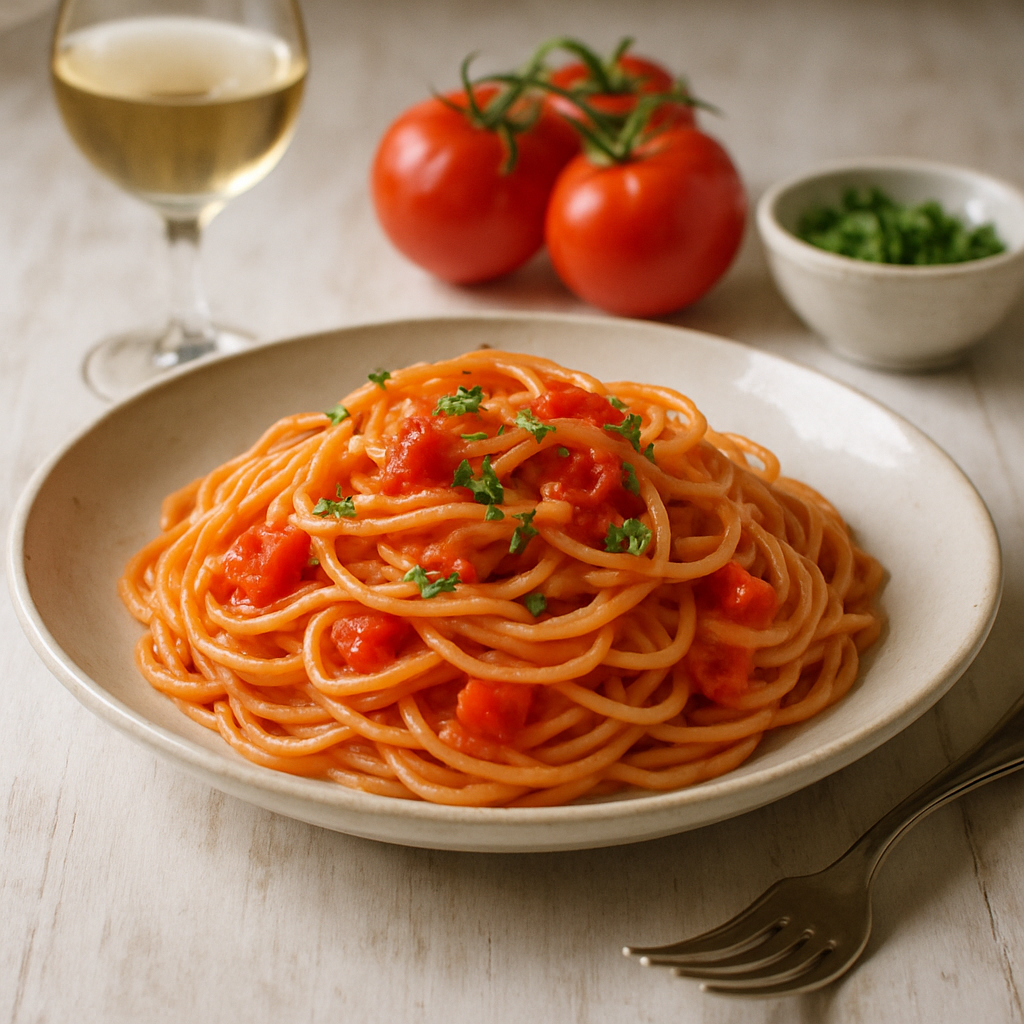
Italian cuisine is a mosaic of flavors and textures, constantly evolving yet deeply rooted in tradition. Among its myriad offerings, spaghetti di riso stands out as a versatile canvas, ready to embrace rich Italian flavors while adding its own subtle twist. Let’s dive into the world of rice spaghetti and how it beautifully complements the cucina italiana.
The Versatility of Spaghetti di Riso
Primarily associated with Asian cuisine, spaghetti di riso has found its place in Italian kitchens. Its ability to absorb flavors makes it an excellent base for numerous ricette italiane. When paired with traditional Italian ingredients such as fresh tomatoes, garlic, basil, and olive oil, rice spaghetti can offer a gluten-free alternative that doesn’t compromise on taste.
Traditional Meets Modern: Innovative Ricette Italiane
Experimentation in the kitchen leads to innovative dishes, blending traditional elements with contemporary tastes. Imagine spaghetti di riso tossed with a classic aglio e olio or a robust marinara, enriched with olives and capers. For those seeking something novel, try incorporating seafood or a light lemon and herb dressing for a refreshing twist. It’s a bridge between tradition and modern culinary artistry in cucina italiana. For more insights into traditional Italian recipes, visit our page at ItalianFood.guide.
Pairing Rice Spaghetti with Italian Favorites
To truly appreciate the potential of spaghetti di riso, consider pairing it with Italian wines. A crisp Pinot Grigio or a robust Chianti can complement the dish’s flavors, enhancing the dining experience. The lightness of the rice spaghetti adds a layer of elegance without overshadowing the aromatic components of the wine.
From incorporating young home cooks to seasoned chefs, the adaptability of rice spaghetti in cucina italiana allows for a range of culinary exploration. It’s indicative of Italy’s dynamic culture that respects heritage while embracing new ideas. As you experiment with your own combinations, remember that the heart of Italian cuisine lies in the passion for fresh ingredients and the joy of cooking.
Reflecting on this culinary journey, spaghetti di riso offers a refreshing perspective on integrating different textures and flavors into traditional dishes. It’s a testament to Italy’s ongoing love affair with food where camaraderie and creativity come alive on every plate. So next time you set foot in the kitchen, let the possibilities inspire you.
Italian Food Culture
Follow us on your favorite social network and keep exploring stories, history and traditions of Italian cuisine.