Navigating the Boiling Pot: The Impact of US Tariffs on Italian Pasta
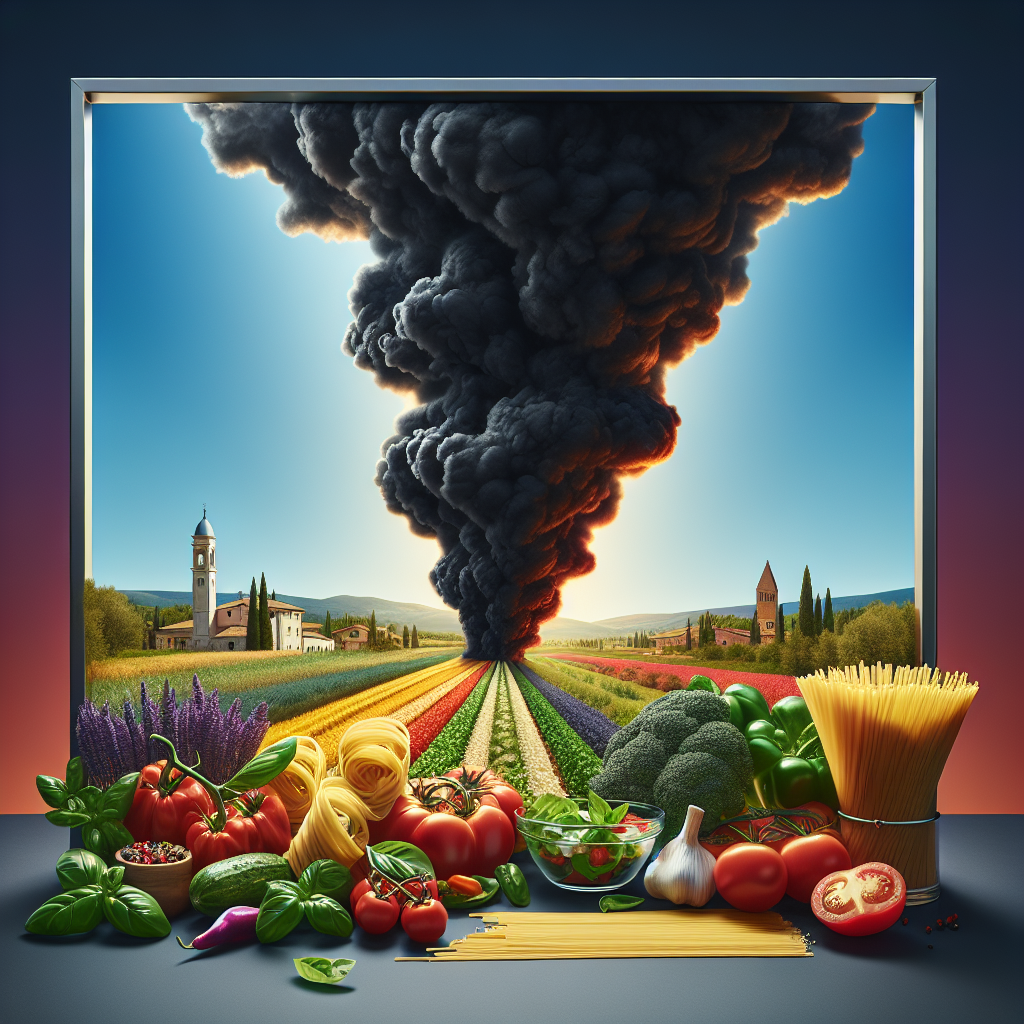
The Economic Flavor: Italian Pasta and US Tariffs
In the ever-evolving landscape of international trade, few topics stir more emotion than discussions around beloved culinary essentials. Italian pasta, a staple savored by millions globally, has become the center of a complex trade policy debate, highlighted by the recent imposition of US tariffs. As tariffs threaten to increase costs, many are left pondering the future of their favorite Italian dishes in America.
The Delicious Debate: What Sparked the Tariffs?
The saga begins with a decision made by the Trump administration to impose tariffs of up to 107% on various European goods, with Italian pasta being a notable inclusion. This move came as a part of wider trade disputes that also saw tensions rise in other sectors. As such, Italian producers, chefs, and pasta enthusiasts are concerned about how this could reshape the culinary landscape.
Economics at Play: The Role of Trade Policy
At the heart of this matter lies a complex trade policy strategy that the US claims is necessary to protect domestic industries and address trade imbalances. Yet, the ripple effects are far-reaching, potentially disrupting not only markets but cultural connections formed around Italian pasta. Prices for imported pasta could rise significantly, altering purchasing habits of American consumers and affecting export dynamics for Italian producers.
Cultural and Economic Implications
Italian pasta is more than a food; it’s a cultural icon that connects people with a rich culinary history. The imposition of tariffs raises questions about cultural heritage and accessibility. For enthusiasts eager to explore authentic Italian recipes, resources like Italian Food Guide offer a deep dive into the traditions and techniques that make Italian cuisine timeless. As we navigate these economic challenges, preserving culinary heritage becomes paramount.
The Road Ahead
While the future remains uncertain, the discourse surrounding US tariffs on Italian pasta brings to light crucial topics about trade relations and cultural preservation. Will innovation and negotiation pave a path forward? Only time will tell, but for now, pasta lovers and industry stakeholders alike must adapt to these changing dynamics.
Ultimately, as these debates simmer, the cultural bonds forged over a shared love of food endure, a testament to the resilience and interconnectedness of global traditions.
Italian Food Culture
Follow us on your favorite social network and keep exploring stories, history and traditions of Italian cuisine.