Are Ultra-Processed Foods as Harmful as Cigarettes? A New Health Study Explores
In recent years, our understanding of nutrition and health has undergone remarkable transformations, revealing surprising truths about what we consume daily. Among these revelations, a contentious debate continues to unfold around ultra-processed foods and their impact on our well-being.
The Rising Concern of Ultra-Processed Foods
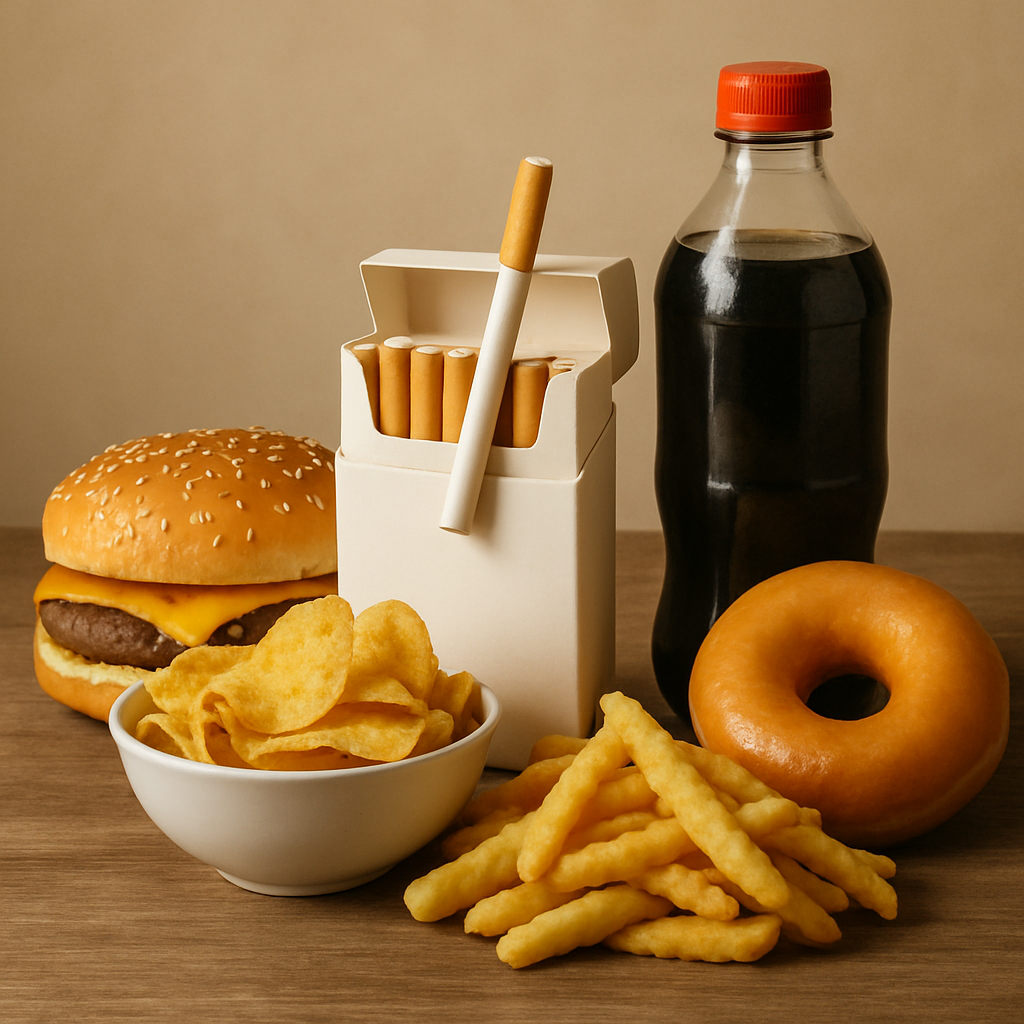
Ultra-processed foods have become a staple in modern diets, from quick snacks to on-the-go meals. However, recent discussions in the nutrition world have raised alarms about their health implications. These foods, often laden with additives, preservatives, and artificial ingredients, have been likened to some of the most detrimental health habits known to society.
A(n) health study published by Italian researchers reveals that consuming ultra-processed foods might be as harmful as smoking cigarettes. This startling comparison invites us to rethink the role such foods play in our daily lives. The insights from this study challenge us to delve deeper into what constitutes good nutrition, much like the traditional values celebrated in the cucina italiana.
Navigating the Modern Diet Dilemma
As we navigate the complexities of contemporary diets, it’s crucial to acknowledge the influence of ultra-processed foods. While convenience is undeniably alluring, the long-term consequences of relying on these options call for a shift towards more wholesome, nutrient-rich alternatives. Embracing traditional cooking styles, such as those highlighted in the rich tapestry of Italian culinary culture, offers a delicious path forward.
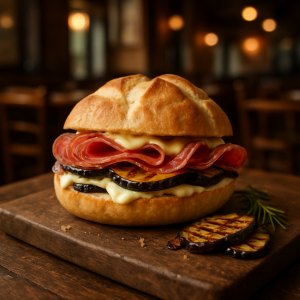
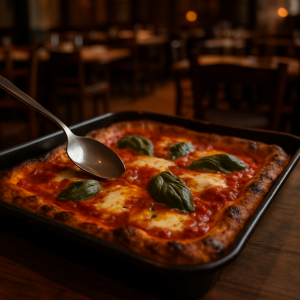
The nuances of traditional Italian cooking capture the essence of fresh, unprocessed ingredients. From freshly made pasta to handpicked vegetables, these recipes not only tantalize the taste buds but also nourish the body, contrasting sharply with the emptiness often associated with ultra-processed counterparts.
Transforming Habits for Better Health
Understanding the impact of ultra-processed foods empowers us to make informed choices that promote better health outcomes. Prioritizing home-cooked meals and engaging in mindful eating are practices that promise more than just a fuller belly; they offer a chance to delve into culinary experiences that are both satisfying and enriching.
Adopting aspects of the cucina italiana, with its focus on quality ingredients and time-tested techniques, not only enhances our meals but also aligns with a lifestyle that values well-being over mere convenience. As we embrace these shifts, we move one step closer to a life less dependent on food that sacrifices health for ease.
Reflecting on the Future of Our Diets
The revelations from recent studies beckon us to reassess the everyday choices we make. Much like the influence of cigarettes, ultra-processed foods possess the potential to shape our health narratives. By returning to roots that celebrate real food and mindful eating, we can carve out pathways to healthier futures, enriched by the enchanting flavors and practices of Italian cuisine.
Italian Food Culture
Follow us on your favorite social network and keep exploring stories, history and traditions of Italian cuisine.