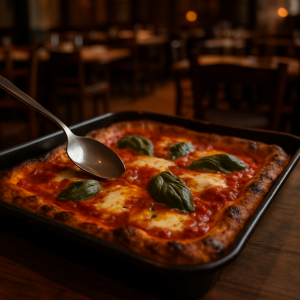
Celebrating Italian Cuisine: A UNESCO Heritage of Flavor and Tradition
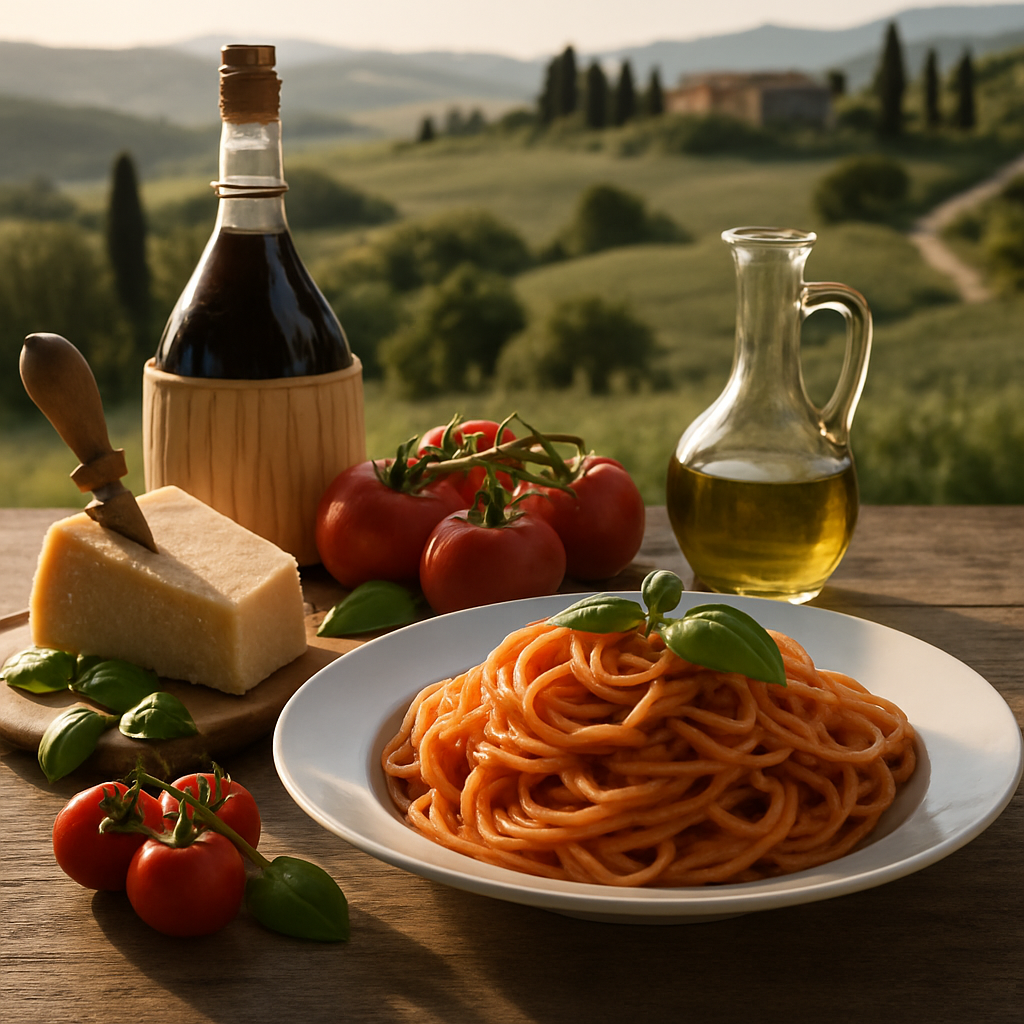
Italian Cuisine: A UNESCO Heritage
Italian cuisine is much more than just a collection of recipes; it’s a cultural phenomenon that boasts a rich historical tapestry, renowned worldwide for its diverse flavors and regional specialities. Recently, the global recognition of Italian cuisine as a UNESCO Heritage has turned the spotlight on how food and heritage can collaborate to enrich our understanding of cultural identities.
The Cultural Impact of UNESCO Recognition
When UNESCO recognizes an element as a part of the world’s intangible heritage, it elevates its significance not just domestically but internationally. Italian cuisine’s inclusion reaffirms its vital role in shaping the nation’s culinary culture and authentic traditions that have been honed over centuries. With such recognition, there’s an additional incentive for both local and global communities to engage with and preserve the rich culinary practices of Italy.
Boosting Tourism to Italy’s Heritage Sites
The acknowledgment of Italian cuisine by UNESCO extends beyond the kitchen and into the realm of tourism. As an intersection of food and culture, this recognition acts as a magnet drawing food enthusiasts and travelers to Italian shores. It encourages visitors to not only enjoy the diverse dishes but also to explore Italy’s numerous cultural and heritage sites, each offering a unique taste of local gastronomic delights.
The Symphony of Regional Flavors
Each region in Italy paints its own culinary picture, contributing unique dishes to the national menu. From the rich sauces of the north to the sun-kissed olive oils from the south, Italian cuisine is a celebration of local flavors and traditional techniques. UNESCO’s recognition amplifies this regional diversity, accentuating the importance of preserving these culinary treasures.
Preserving Culinary Practices for Future Generations
By placing emphasis on Italian cuisine as a UNESCO Heritage, there is a collective responsibility to safeguard these culinary traditions for future generations. This involves protecting not only the traditional recipes and cooking techniques but also fostering an environment where new interpretations can flourish.
In conclusion, the recognition of Italian cuisine as a UNESCO Heritage symbol is not just an accolade; it’s a call to cherish and continue the traditions that make Italy’s culinary scene so extraordinary. As we savor every bite of this rich heritage, we act as stewards of a cultural legacy that promises to delight generations to come.
Italian Food Culture
Follow us on your favorite social network and keep exploring stories, history and traditions of Italian cuisine.