Exploring the Heart of Italian Cuisine: The Secrets of Authentic Pasta
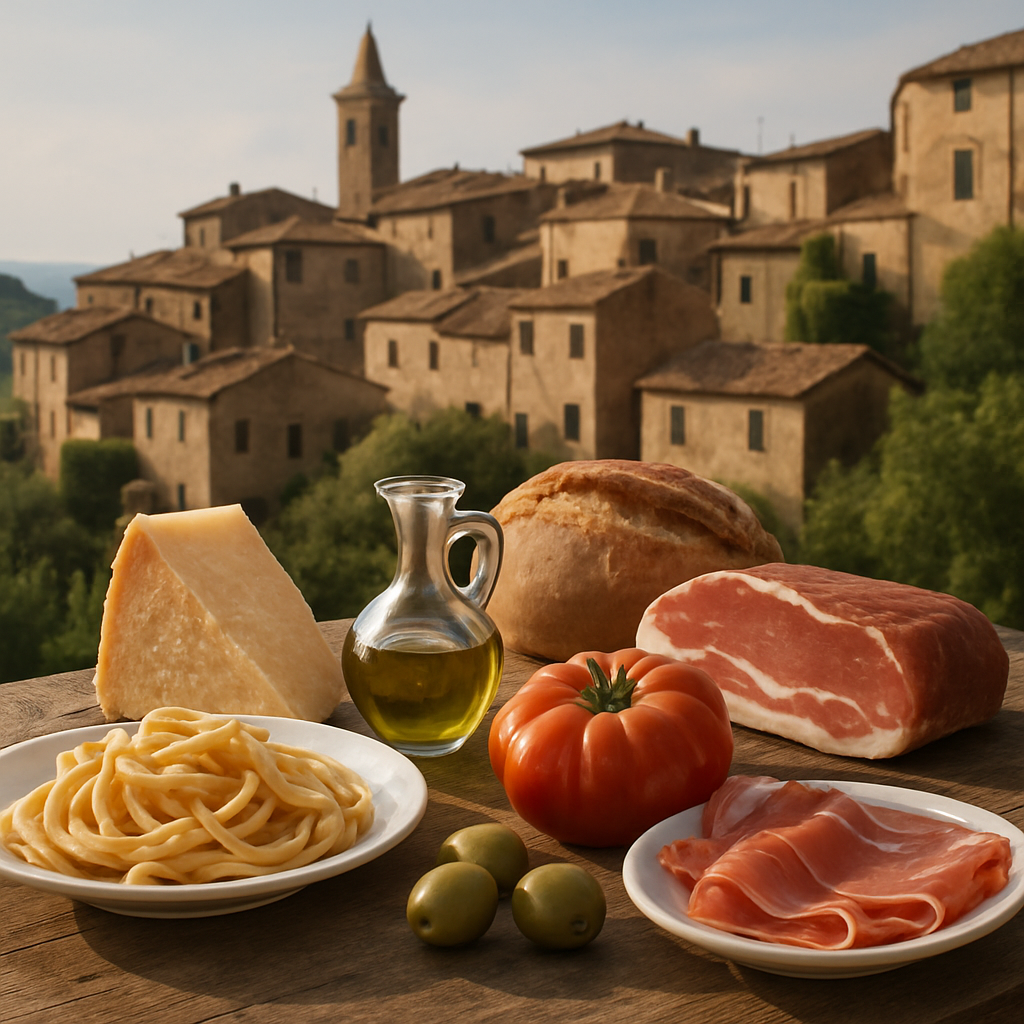
Italian cuisine is renowned for its rich flavors and time-honored traditions. Among its many treasures, pasta holds a special place in the hearts of culinary enthusiasts. From the bustling streets of Rome to the tranquil countryside of Tuscany, the art of pasta-making is celebrated with fervor, bringing people together while preserving age-old culinary customs.
The Art of Pasta Making
Pasta, in its myriad of shapes and forms, serves as an undisputed symbol of Italian culinary culture. Crafted from just two ingredients—flour and water—its simplicity belies the complexity of its creation and the depth of its flavor. What sets authentic Italian pasta apart is the meticulous attention to detail in the selection of ingredients, as well as the traditional techniques passed down through generations. For many Italian families, making pasta from scratch is not just a task but a cherished ritual.
Regional Varieties and Specialties
Italy’s diverse regions boast their own unique pasta shapes and flavors, each reflecting the landscape and history of its origin. In the North, tortellini from Emilia-Romagna are beloved for their rich fillings, often enjoyed in a hearty broth. Meanwhile, the South’s sun-drenched climate provides ideal conditions for the production of orecchiette, a traditional pasta from Puglia. These small ear-shaped creations perfectly capture savory sauces, allowing for a delightful culinary experience. To dive deeper into the regional specialties, explore the wealth of knowledge at Italian Food Guide.
Traditional Techniques and Tips
Mastering the techniques of pasta-making begins with selecting the best ingredients. Opt for high-quality durum wheat semolina flour for firm, golden pasta that maintains its shape and texture when cooked. The dough, once kneaded until smooth and elastic, must be allowed to rest before it’s rolled and shaped. Each step requires patience and practice, transforming simple elements into a culinary masterpiece. To truly embrace the Italian spirit, it’s essential to pair your pasta with ingredients that enhance its natural flavors, such as fresh produce, olive oil, and generous pinches of sea salt.
Cooking and Pairing for Perfection
Cooking authentic pasta to perfection involves careful timing and an understanding of the desired texture—al dente. Italians believe that a properly cooked pasta should have a firm bite, offering resistance to the teeth. Once the pasta reaches its desired texture, a quick transfer to a preheated pan with sauce completes the dish. Popular sauces like pesto from Liguria or the rich, meaty ragù from Bologna elevate the humble pasta to a gourmet delight. By carefully choosing your sauce, you’ll enrich your dining experience, creating a symphony of flavors that celebrates the essence of Italy.
As we conclude our journey through the fascinating world of Italian pasta, we reflect on its enduring appeal and timeless place in the culinary landscape. Whether you’re a passionate foodie or a budding chef, the secrets of traditional pasta-making invite you to savor the flavors and stories behind every dish, bringing a slice of Italy to your home. For more delightful insights into Italian cuisine, continue exploring with us at Italian Food Guide.
Italian Food Culture
Follow us on your favorite social network and keep exploring stories, history and traditions of Italian cuisine.