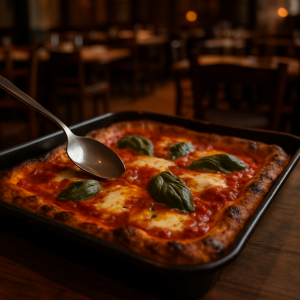
Italian Cuisine: A UNESCO Heritage Celebrating Culinary Culture
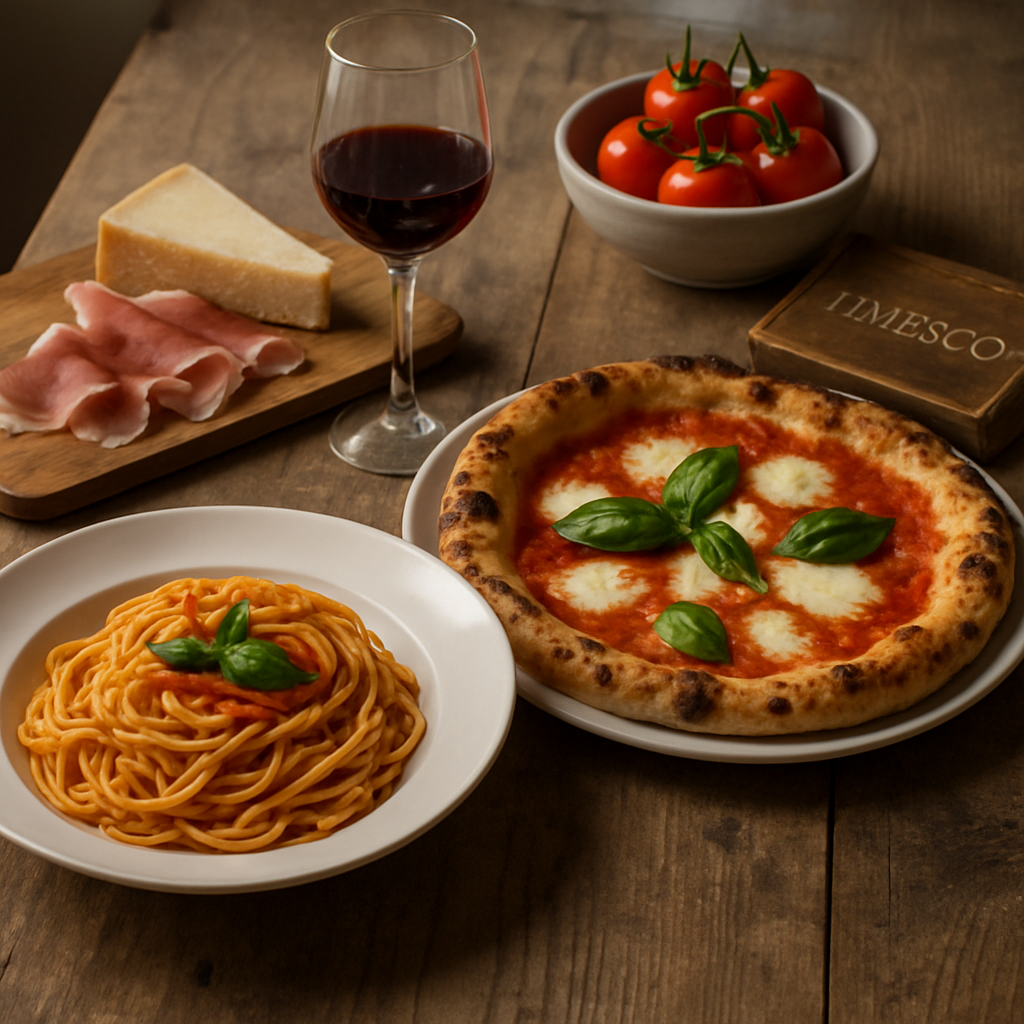
Italy’s culinary arts have long been celebrated worldwide, and now, the recognition of Italian cuisine as a UNESCO heritage only elevates its status further. This prestigious acknowledgment honors Italy’s rich culinary culture and emphasizes the global impact of its delicious traditions.
A Celebration of Tradition and Innovation
From the bustling streets of Rome to the charming vineyards of Tuscany, Italian cuisine represents a fusion of history and innovation. Each region offers unique flavors and culinary techniques that have been passed down through generations. Whether it is the creamy risottos of the north or the spicy dishes of the south, Italy’s gastronomic variety plays a key role in its UNESCO recognition.
The Global Influence of Italian Cuisine
Over the years, Italian cuisine has transcended borders, becoming a staple in kitchens around the world. Italian ingredients, such as olive oil, pasta, and cheese, are household essentials for food enthusiasts globally. This universal appeal underscores how Italy’s culinary practices and traditions have beautifully intertwined with diverse cultures.
Supporting Local and Sustainable Practices
A significant aspect of the UNESCO heritage designation is the focus on sustainability and local practices. Many Italian chefs and home cooks prioritize fresh, locally sourced ingredients, reflecting a deep respect for nature and community. This commitment not only enhances taste but also supports local economies and sustainable agriculture.
Discover More with ItalianFood.guide
Eager to dive deeper into the wonders of Italian cuisine? Visit ItalianFood.guide for more insights and delicious recipes that bring the authentic taste of Italy to your table.
As Italy’s gastronomic arts continue to inspire and delight people worldwide, the UNESCO heritage status reaffirms the importance of preserving these invaluable cultural treasures for future generations. Celebrate this culinary journey by exploring, tasting, and sharing the timeless flavors of Italy.
Italian Food Culture
Follow us on your favorite social network and keep exploring stories, history and traditions of Italian cuisine.