Italian Cuisine: A UNESCO World Heritage Phenomenon

Italian Cuisine: A Global Culinary Treasure
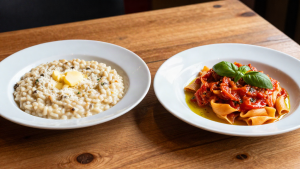
There is a joyous symphony to the mention of Italian cuisine that resonates deeply with food lovers worldwide. Recently, Italy has achieved a remarkable milestone as its culinary traditions have been recognized by UNESCO as a World Heritage Site. This prestigious honor not only acknowledges the rich variety and deep-rooted cultural significance of Italian food but also underscores the vital role it plays in regional identities.
UNESCO Recognizes The Art of Italian Cooking
Italy’s gastronomic legacy is iconic and intimate, composed of regional elements blended together to create a national cultural identity. The dedication to quality, tradition, and innovation in Italian kitchens has finally garnered global recognition. This includes the embrace of fresh ingredients, simplicity, and methods passed through generations.
The Influence on Sardinia’s Food Culture
One of the unique regions benefiting from this accolade is Sardinia. Sardinian cuisine, known for its robust flavors and traditional recipes, has gained increased attention. This island, blessed with unique culinary offerings such as pecorino cheese and cured bottarga, is a vivid expression of Italy’s diverse food culture. With the UNESCO title, Sardinia’s food culture stands to attract culinary enthusiasts to explore and enjoy its distinctive gastronomy more than ever.
Implications for Culinary Tourism
With this recognition, Italy is poised to see an increase in culinary tourism. Tourists are likely to flock to explore each region inclusive of Sardinia, eager to indulge in authentic Italian dishes. The global appeal of Italian cuisine, now tied to UNESCO’s prestige, is expected to highlight new culinary destinations and deepen appreciation for traditional Italian culinary arts.
The Broader Cultural Impact
The UNESCO listing not only enhances Italy’s reputation on the world culinary stage but also supports the preservation of cooking traditions that define the nation’s cultural fabric. This recognition encourages the protection and celebration of these practices amid globalization’s influence, ensuring that future generations continue to enjoy the multitude of flavors inherent in Italian cuisine.
As Italy celebrates this exciting achievement, the world is invited to partake in its culinary journey. From the bustling piazzas of Rome to the tranquil hills of Tuscany and the picturesque coastlines of Sardinia, there’s much to explore.
In reflection, the inclusion of Italian cuisine on the UNESCO World Heritage list is more than just a nod to the aromas and flavors. It’s a tribute to the enduring legacy of Italian cooking, reinforcing the culture of shared meals, family traditions, and the celebration of life through food.
Italian Food Culture
Follow us on your favorite social network and keep exploring stories, history and traditions of Italian cuisine.