Italian Cuisine Earns UNESCO Heritage Status: A New Era for Culinary Tourism
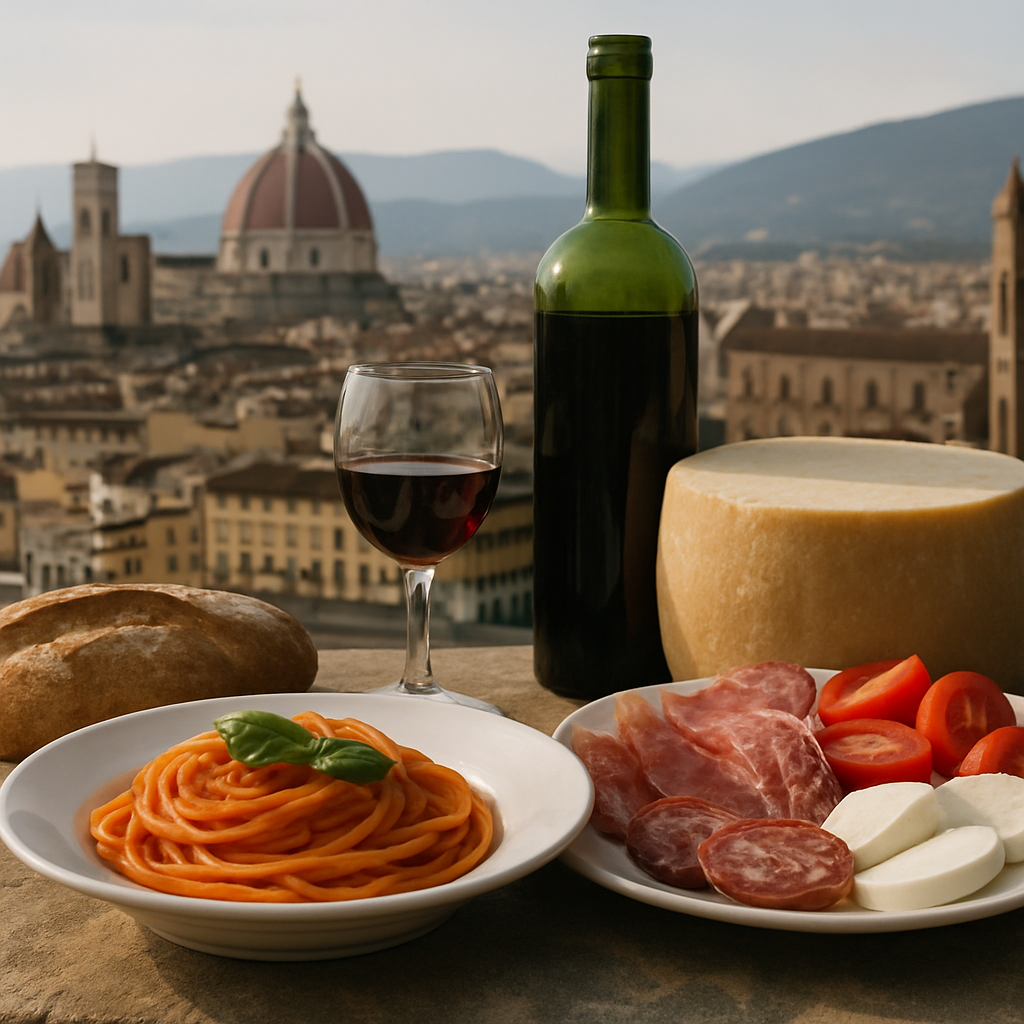
Italy, known for its rich culture and captivating landscapes, has recently added another feather to its cap. The UNESCO recognition of Italian cuisine as an intangible heritage brings a wave of excitement not only for food enthusiasts but also for travelers looking to immerse themselves in authentic culinary experiences.
Understanding the UNESCO Heritage Recognition
The designation of Italian cuisine by UNESCO as an intangible cultural heritage is more than just an accolade. It acknowledges the deep-rooted traditions and remarkable variety found within Italy’s culinary landscape. This recognition underscores the significance of preserving age-old recipes and cooking methods, ensuring these traditions are passed down through generations. Embracing diverse flavors from north to south, Italian cuisine represents a mosaic of local specialties, each telling its own story through signature dishes.
The Impact on Culinary Tourism
This prestigious acknowledgment is set to boost culinary tourism in Italy, offering visitors a chance to explore regions through their gastronomic offerings. From savoring the finest wines in Tuscany to indulging in Sicilian street food, travelers are now more drawn to not just see Italy but taste it. The recognition is likely to expand itineraries with culinary-focused tours, inviting tourists to engage with authentic culinary experiences that go beyond traditional sightseeing.
The Role of Italian Restaurants
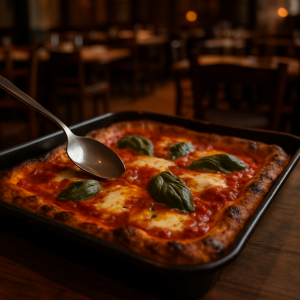
Italian restaurants, both within the country and globally, play an undeniable role in promoting this heritage. They act as ambassadors of traditional recipes while also presenting innovative interpretations. The UNESCO status encourages these establishments to highlight authentic cooking methods and regional ingredients, thus educating food lovers on the exquisite diversity of Italian cuisine. It’s an invitation for chefs and restaurateurs to celebrate and preserve these cherished culinary arts.
Opportunities for Artisans and Producers
Artisans and local producers also stand to gain from this recognition. With increased attention on authentic Italian flavors, there lies an opportunity to promote genuine products such as age-old cheeses, freshly-pressed olive oils, and artisanal pastas. These elements are crucial to the complete Italian dining experience. Bringing the spotlight to locally sourced, high-quality ingredients further enriches the narrative of Italy’s gastronomic tourism.
For more curated insights on Italian culinary traditions, visit Italian Food Guide.
Looking Forward: A Culinary Renaissance
This significant recognition paves the way for a culinary renaissance in Italy, reinforcing the country’s status as a beacon of gastronomic wonder. As travelers flock to experience firsthand the exquisite tapestry of Italian flavors, it’s a moment of pride and preservation for countless culinary artisans. Looking ahead, the emphasis remains on nurturing these traditions while inviting the world to partake in Italy’s timeless gastronomic heritage.
The journey of Italian cuisine is illustrious, engaging, and, above all, delicious. With UNESCO recognition, each meal now tells a story that spans generations, inviting all of us to be a part of its celebrated heritage.
Italian Food Culture
Follow us on your favorite social network and keep exploring stories, history and traditions of Italian cuisine.