The Controversy Surrounding Carne di Cavallo in Italian Cuisine
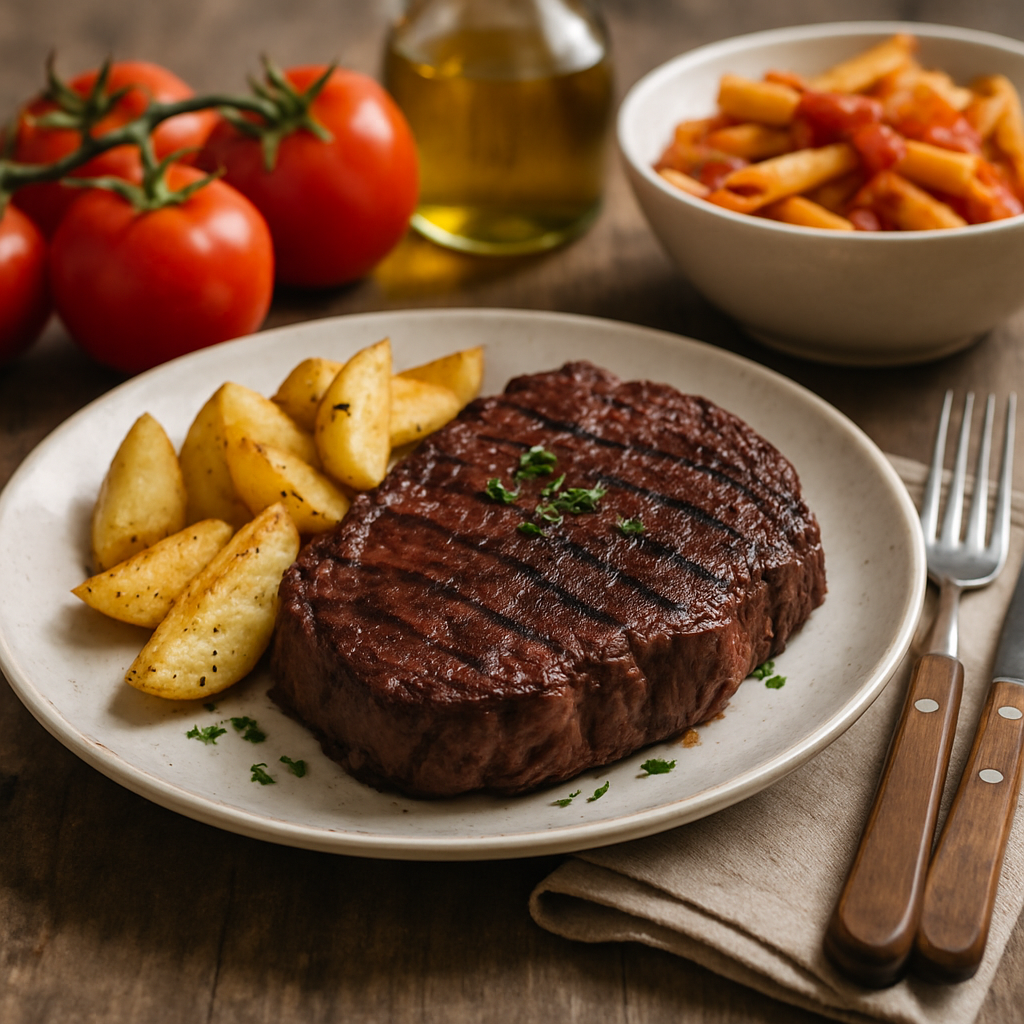
Italy, a nation revered for its rich culinary heritage, finds itself at the crossroads of tradition and modern dietary practices. At the heart of this debate is carne di cavallo (horse meat), a staple in regional dishes with a history as flavorful as the recipes themselves.
The Tradition of Carne di Cavallo
For centuries, carne di cavallo has featured prominently in various regional dishes, particularly in the south of Italy. It’s lauded not just for its taste but also for its nutritional profile, which includes low fat and high protein content. Throughout regions like Puglia and Sicily, families have handed down recipes showcasing this meat, much like other cherished traditions in cucina italiana.
Current Food Legislation and Its Impact
However, with evolving food preferences and increasing demands for regulatory compliance, the role of horse meat in Italian cuisine faces scrutiny from modern legislazione alimentare (food legislation). Advocates argue for its place in Italy’s gastronomic repertoire, but opponents point to ethical and health considerations, lobbying for stricter regulations or even a ban. This controversy has created ripples across culinary communities, sparking debates on preserving such traditional elements in a globalized food market.
The Future of Horse Meat in Italy
The future of carne di cavallo in Italian kitchens is uncertain. While some culinary experts predict a decline due to regulatory pressures, others believe that a renewed focus on tradition could rejuvenate its popularity, showcasing it more responsibly. Innovations in recipe development and ethical sourcing could become vital in sustaining its presence.
A Taste of Tradition
As Italy navigates the waters of tradition and modernity, the fate of carne di cavallo remains a symbol of broader cultural dynamics within cucina italiana. Whether it remains a staple or becomes a relic of the past, one thing is certain: the conversation will continue to inspire passionate discourse among those who believe in the value of culinary heritage.
Italian Food Culture
Follow us on your favorite social network and keep exploring stories, history and traditions of Italian cuisine.