Understanding Italian Food Regulations: A Guide to Food Labeling and EU Food Laws
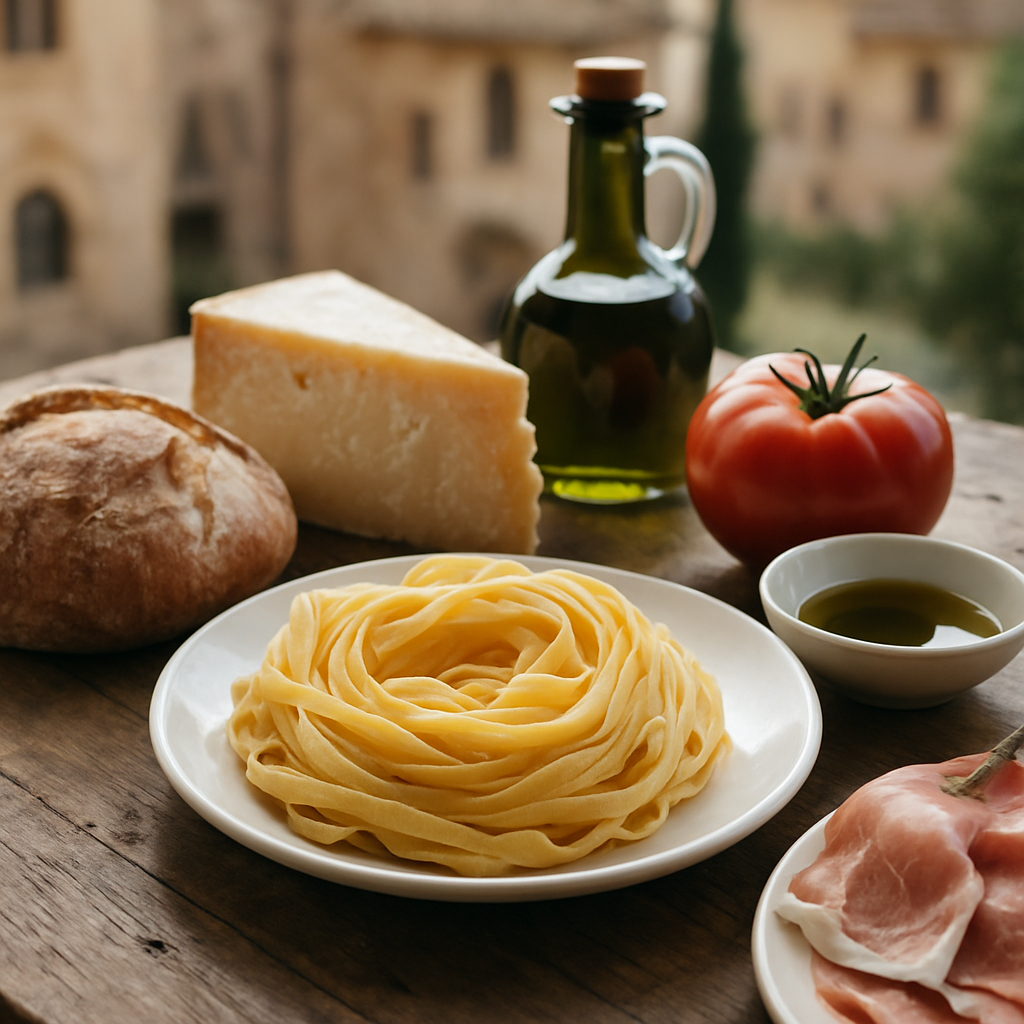
Italian Food Regulation: Navigating the Complexities
Italy’s vibrant culinary scene thrives under a meticulous structure of regulations designed to maintain quality and authenticity in the food industry. While these laws can be intricate, they are vital for upholding the standards that define Italian cuisine.
The Importance of Food Labeling in Italy
Food labeling is a cornerstone of Italian food regulation. Essential for informing consumers, these labels provide insight into ingredients, nutritional value, and provenance. This transparency is not only a legal requirement but also an expectation from consumers seeking genuine Italian products.
EU Food Laws and Their Impact
The intersection of Italian food regulation with EU food laws adds an additional layer of requirements and protections. These laws ensure that products across Europe, including Italy, adhere to standardized safety and quality measures. This alignment simplifies cross-border trade and assures consumers of the high quality of products across EU member states.
Facing Penalties: The Consequences of Non-Compliance
Failing to comply with these rigorous regulations can result in penalties reaching up to €100,000. Such hefty fines underline the seriousness with which both the Italian government and the EU treat food safety and accuracy in labeling. Businesses must stay informed and adhere strictly to prevent financial repercussions and ensure consumer trust.
Embracing Regulations for a Better Culinary Experience
For anyone passionate about Italian cuisine, understanding these regulations can enhance appreciation for the dedication behind every product. The comprehensive nature of Italian food regulation, coupled with EU laws, secures the legacy of authentic culinary traditions. To learn more about the intricate world of Italian foods, visit our website at ItalianFood.Guide.
While the complexity of these regulations may seem daunting, they play an essential role in safeguarding the treasured authenticity of Italian food. Embracing these laws ensures we can all enjoy the rich, delectable flavors that are synonymous with Italy’s culinary heritage.
Italian Food Culture
Follow us on your favorite social network and keep exploring stories, history and traditions of Italian cuisine.