Navigating Italian Food Regulations and EU Food Laws
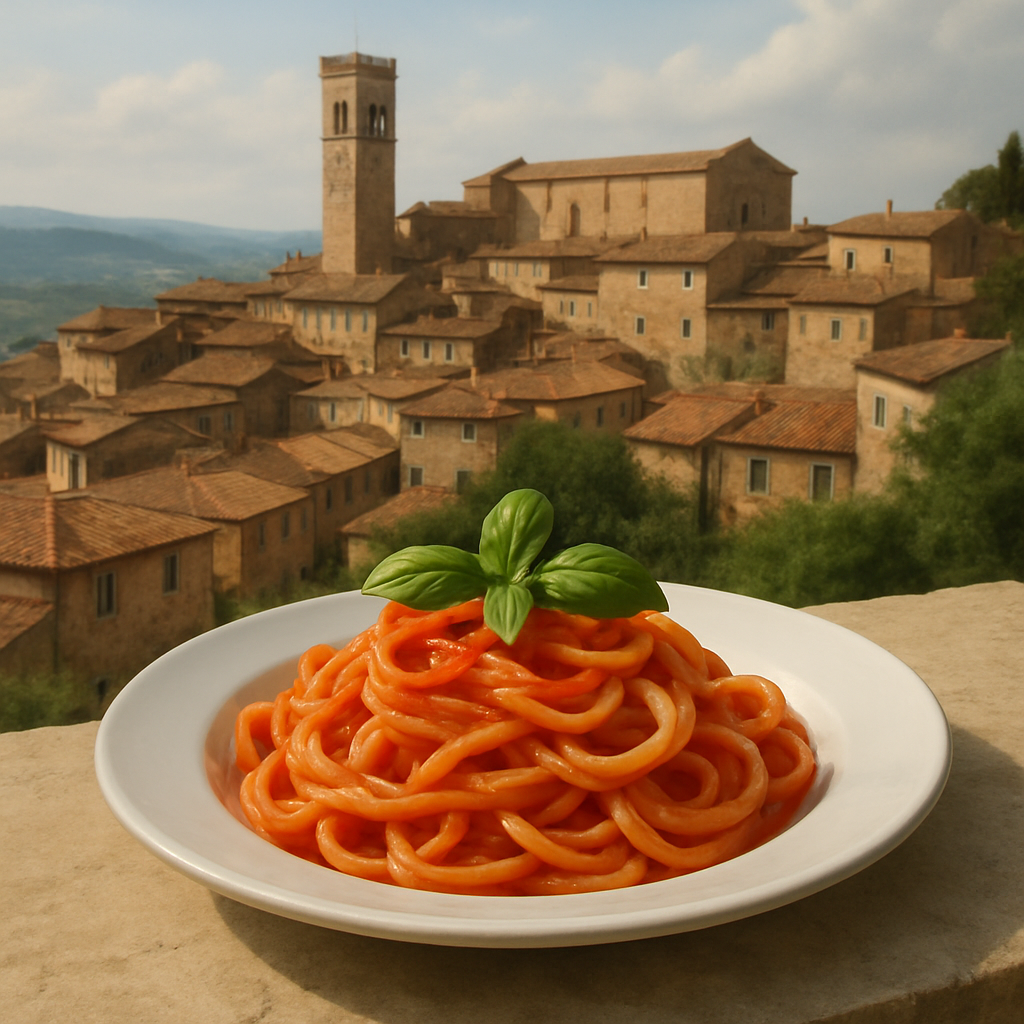
Italy’s rich culinary tapestry owes much to its deep-seated food traditions and stringent regulations. Understanding these rules not only enhances our appreciation of Italian cuisine but also guides producers and consumers through a landscape committed to quality.
Understanding Italian Food Regulations
The world-renowned quality of Italian cuisine is no accident. A complex web of Italian food regulations ensures that products maintain their authenticity and safety. These regulations set stringent standards for production, hygiene, ingredients, and distribution, safeguarding the integrity that Italian foods are celebrated for.
The Role of EU Food Laws
As a member of the European Union, Italy also adheres to overarching EU food laws. These laws help harmonize practices across Europe, ensuring that food products meet consistent standards of safety and quality. This collaboration strengthens the integrity of Italian cuisine on the global stage.
The Importance of Food Labeling
A vital component of these regulations is food labeling, which provides consumers with essential information about the product. Labels outline nutritional content, ingredients, and origin, empowering consumers to make informed choices. This transparency is key in a market where authentic Italian quality is paramount.
Impact on Producers and Consumers
For producers, complying with these regulations means maintaining high standards that enhance product appeal both domestically and internationally. For consumers, it translates to reliable access to genuine products. Just as Italian wines benefit from protected geographic indications, so too do cheeses, olive oils, and meats. Visit Italian Food Guide to explore more about authentic Italian foods.
In summary, while the complexities of Italian food regulations and EU food laws may seem daunting, they serve a purpose in maintaining the high standards of Italian cuisine. These systems ensure authenticity, quality, and safety, allowing us to enjoy Italian foods with confidence and delight.
Italian Food Culture
Follow us on your favorite social network and keep exploring stories, history and traditions of Italian cuisine.