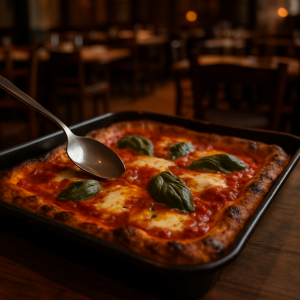
Why Italian Cuisine Is Revered Globally and Its Remarkable Economic Impact
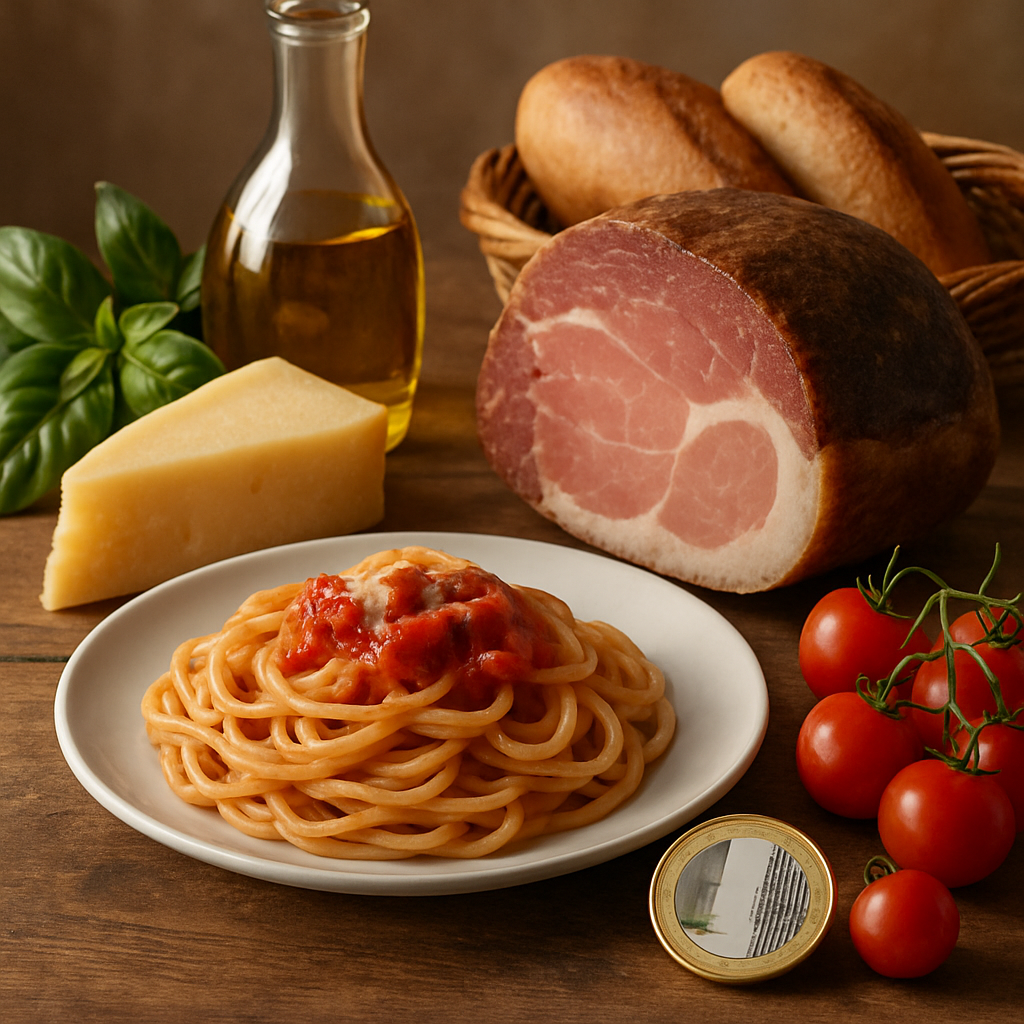
The Global Love for Cucina Italiana
Italian cuisine, or cucina italiana, is more than just food; it’s a cultural emblem cherished globally. With its rich flavors and simplicity, it’s no wonder cuisines around the world are influenced by Italy’s gastronomic heritage. Whether it’s the comfort of homemade pasta or the boldness of a perfectly-cooked risotto, Italian cuisine delivers a delightful experience, bringing people together at the table.
Unraveling the Culinary Culture of Italy
The culinary culture of Italy is deeply entrenched in tradition and history. Each region boasts its specialties, from the rich, meaty dishes of the north to the lighter, olive oil-infused dishes of the south. Italian culinary culture is about sharing quality meals with loved ones, often with ingredients passed down through generations. This cultural attachment to food and dining shapes the warmth and hospitality Italy is famous for.
The Astonishing Economic Value
Beyond its taste and tradition, Italian cuisine has significant economic value. According to recent figures, it represents a staggering €365 billion industry globally. This includes everything from dining experiences to exporting Italian products worldwide. The demand for authentic Italian ingredients and dishes has significantly boosted Italy’s economy, showcasing the power of food in economic growth.
Italian Cuisine’s Influence on Global Dining
Restaurants and food brands worldwide have incorporated Italian influences, bringing a slice of Italy to all corners of the globe. The versatility and popularity of Italian dishes have made them a staple in international gatherings and kitchens. Dive deeper into the world of Italian food by exploring more [here](https://www.italianfood.guide).
Italian cuisine’s brilliance lies not just in its flavors but also in the emotion it evokes and the stories it tells. As we savor these dishes, we become part of a tradition that has captivated taste buds and hearts for centuries, proving that food is indeed a universal language.
Italian Food Culture
Follow us on your favorite social network and keep exploring stories, history and traditions of Italian cuisine.